Costa Rica + Nicaragua combination
Day 1: Arrival in San José, Costa Rica
Pickup at airport and transfer to the lively downtown San José.
Day 2: Exploring San José and visit of the Volcano and Earthquake Research Center
In the morning, we'll take a guided walking tour of the city. The vibrant capital city of San José sits at 1,100 metres above sea level in the heart of the Central Valley, home to over one million residents. In the late 19th century, coffee barons began transforming the village into a modern city. Churches, schools, and theatres still reflect the prosperity of that era. Stylish neighborhoods developed north of the centre, while working-class communities settled in the south.
Costa Rica's most beautiful building is considered to be the National Theatre, built in 1897 and inspired by the Paris Opera House. Along pedestrian streets, you can immerse yourself in Latin American city life, discovering former trading houses of European families, churches adorned with European ornaments, and elegant theatre and school buildings.
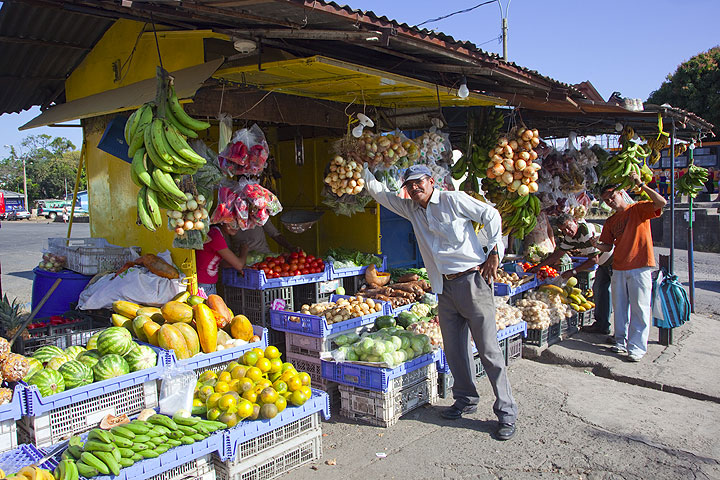
The Central Market offers everything locals traditionally need, along with numerous “sodas” serving typical Costa Rican dishes. From Parque Morazán to the historic train station, lush parks with tropical vegetation and ancient trees invite you to stroll and relax. Several museums provide insight into the fascinating pre-colonial history of the region.
At the Children's Museum—housed in a former prison—you'll visit the volcanology and seismology exhibit, where you can even experience an earthquake simulator.
Afterwards, we'll head to the neighboring city of Heredia to visit the OVSICORI Observation Centre for Volcanology and Seismology, where a specialist will explain the research conducted there and the instruments used.
Day 3: Irazú volcano
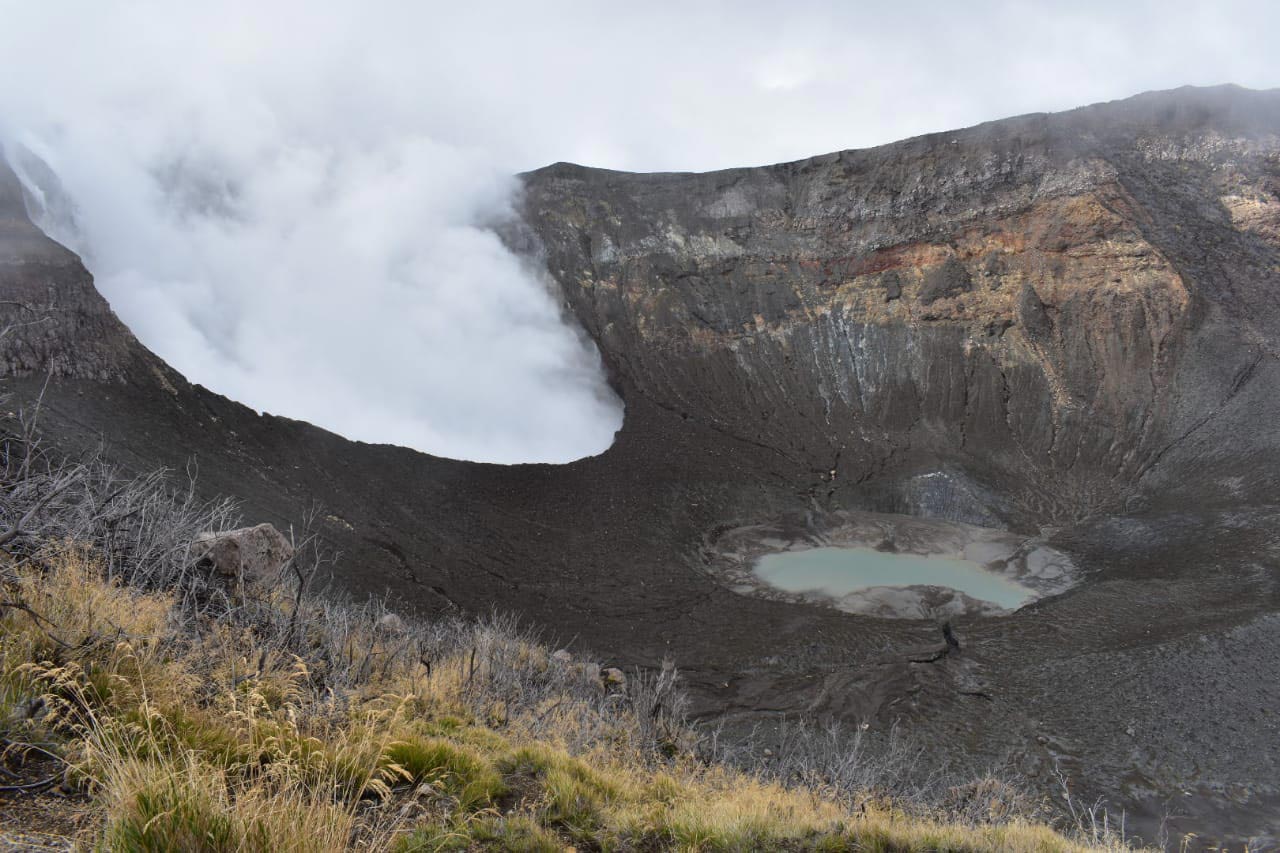
After breakfast, we'll ascend to Irazú Volcano, Costa Rica's highest peak at 3,432 metres. Its last major eruptions occurred between 1963 and 1965. The surreal, moon-like landscape features the main crater—over one kilometre wide—and the Diego de la Haya crater, which spans more than 600 metres.
We'll then visit a small museum at the edge of the national park that showcases detailed information about the volcano's recent eruptions.
Next, we descend to Cartago, the former capital. The ruins of the old parish church serve as a reminder of the frequent earthquakes at the volcano's base. We'll also visit the Basilica of Our Lady of the Angels, Costa Rica's patron saint and the country's most important pilgrimage site.
The journey continues toward the Turrialba region, home to Guayabo, Costa Rica's most significant archaeological site. Located on the slopes of Turrialba Volcano, this ancient city flourished between 800 and 1400 AD. Visitors can explore preserved house foundations, paved roads, and even functioning aqueducts. Guayabo has been declared a World Engineering Heritage Site by the American Society of Civil Engineers and is also known for its rich birdlife in the surrounding forest clearing.
Day 4: Irazú and Turrialba volcanoes
The Irazú and Turrialba volcanoes form a shared massif in Costa Rica's Central Highlands.
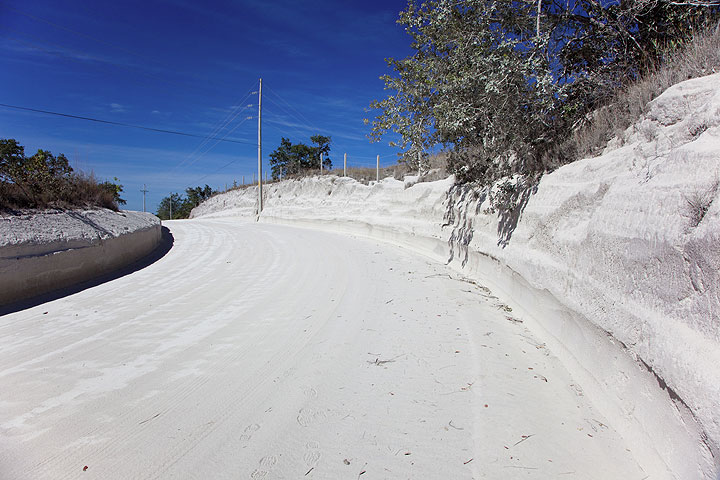
Today, we'll ascend toward Turrialba Stratovolcano, whose summit reaches 3,340 metres. From the parking area, we'll take a guided hike to the top. The volcano was highly active around 2016–2017, with ash carried by western winds all the way to San José.
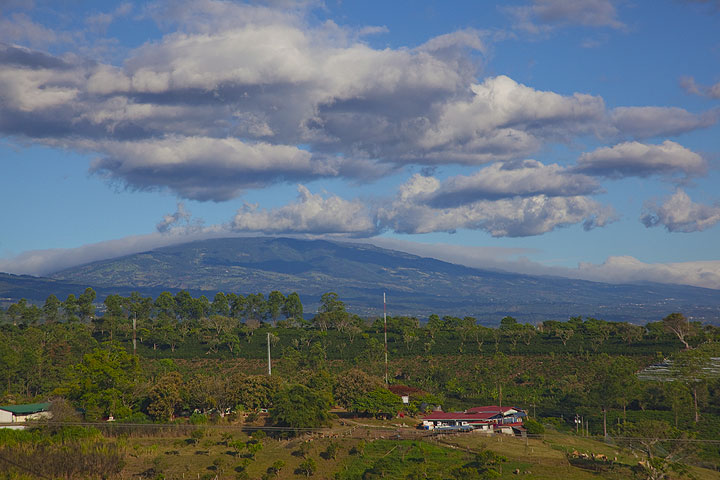
These volcanoes are also responsible for the fertile soils of the Cartago and Turrialba regions. While Cartago's highlands are known for vegetable farming, Turrialba is home to coffee and sugarcane plantations.
We'll visit Hacienda Aquiares, one of Costa Rica's largest coffee estates. The century-old manor house La Esperanza evokes the charm of a bygone era, and its heritage-listed church features stained glass windows imported from Germany. Coffee here is grown at optimal altitudes—between 820 and 1,400 metres above sea level. You'll learn about cultivation and processing techniques in detail.
Aquiares also pursues ecological and social goals and has participated in a German GIZ program focused on climate change mitigation.
Day 5: Braulio Carrillo National Park
In the town of Turrialba, we'll visit the restored, heritage-listed train station of the former railway that once transported coffee from the Central Valley to the Caribbean port of Puerto Limón. The railway was severely damaged by the 1991 earthquake and has remained out of service since.
A scenic mountain road leads us down to the small town of Siquirres, nestled in the Caribbean lowlands and surrounded by vast pineapple and banana plantations.
On the northern side of the volcanic cordillera, trade winds blow year-round from the Atlantic, pushing clouds inland and creating the lush conditions that make Sarapiquí one of Costa Rica's most diverse rainforest destinations. The name “Puerto Viejo” (Old Port) is no coincidence—until the late 19th century, Costa Rica had no Caribbean port. German and other European immigrants arrived via Nicaragua's coast and travelled upriver to Puerto Viejo, continuing their journey on foot to the Central Valley.
Here, we'll visit a family-run business that produces a variety of heart-of-palm products. You'll learn about the cultivation of the Pejibaye palm and sample lovingly prepared dishes made from its harvest.
Later, we explore the Tirimbina Rainforest Reserve, located along the Sarapiquí River and forming a biological corridor with Braulio Carrillo National Park. After nightfall—around 6 p.m.—you'll embark on an exciting night tour through the private reserve, where countless creatures emerge from their hiding places and come to life.
Day 6: Poás volcano
From Sarapiquí, we will drive up to the Central Volcano Range and visit the Poás Volcano National Park.
Along the way, we'll stop for photos at the La Paz Waterfall, a stunning twin cascade nestled in lush forest.
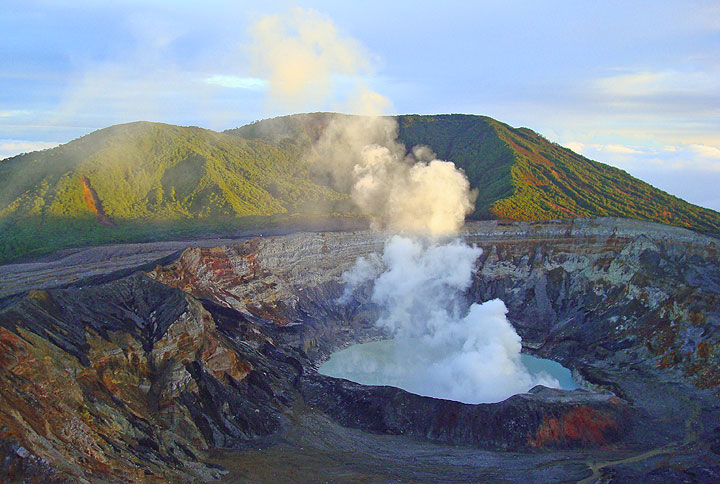
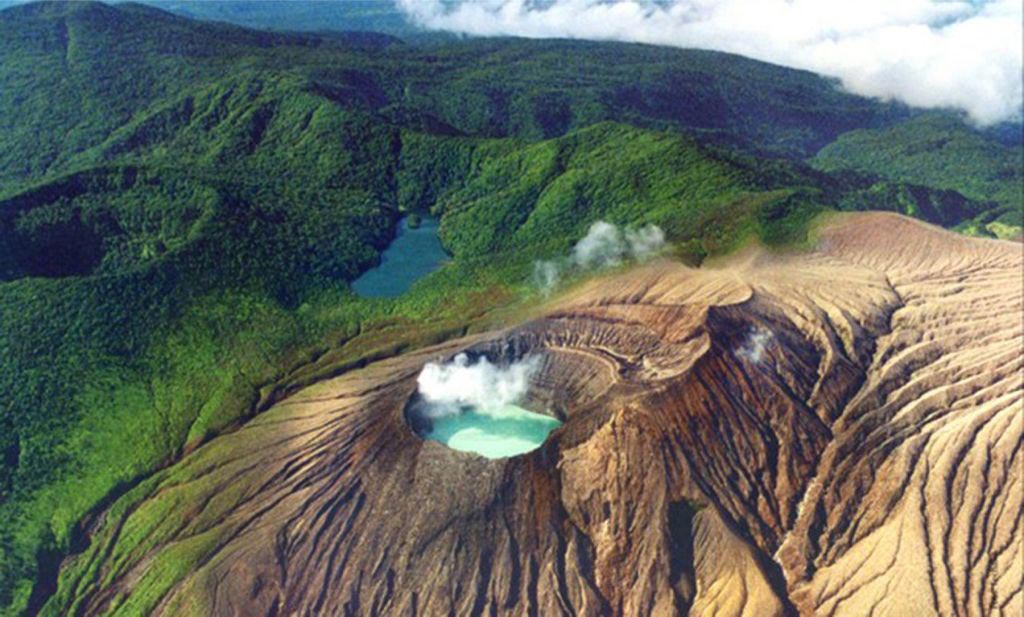
A short walk through the misty cloud forest—twisted and shaped by sulfur fumes—takes us to the viewpoint overlooking Poás's main crater, which constantly evolves due to volcanic activity. With a diameter of nearly 1.5 km, it's considered one of the largest craters in the world. The volcano's highest point reaches 2,697 metres above sea level.
After the visit, we descend into the northern lowlands. At the base of the cordillera, we'll make a detour to Laguna de Hule, a volcanic maar lake, accompanied by two smaller lakes: Congo and Bosque Alegre. From the lookout, enjoy sweeping panoramic views of the serene landscape.
Continuing through the San Carlos plains, we'll pause briefly in the village of Muelle to observe green iguanas basking along the banks of the San Carlos River.
The journey concludes in La Fortuna, nestled at the foot of the iconic Arenal Volcano—a perfect gateway to adventure and relaxation.
Day 7: Arenal volcano
At the base of Arenal Volcano, we'll take a scenic hike to the jagged, hardened lava fields—reminders of the powerful eruptions that began in 1968.
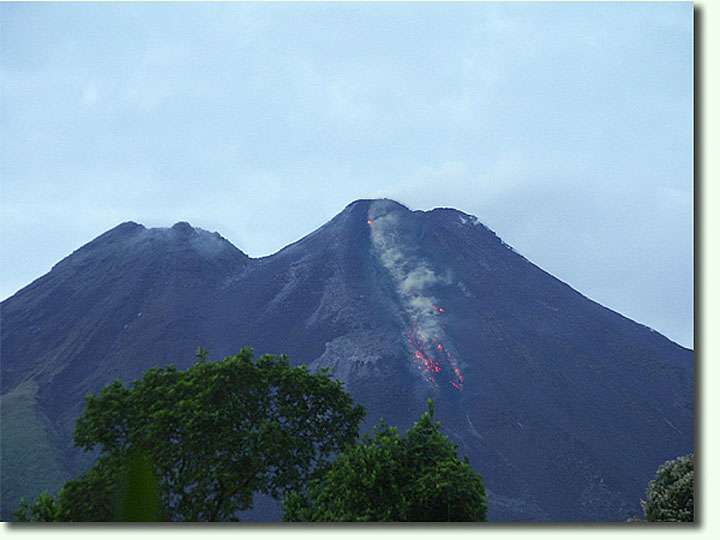
Arenal's nearly perfect conical shape rises to 1,633 metres above sea level, with a crater depth of 140 metres, formed atop an ancient volcanic basin. After a dormant period of over 500 years, the volcano dramatically reawakened in July 1968. Adjacent to Arenal lies the extinct Cerro Chato Volcano.
Next, we'll ascend to the Arenal Observatory Lodge, home to a small museum housed in the former Smithsonian Institute observatory, where you'll learn about Costa Rica's natural history. Founded in 1987 to host researchers and students, the lodge remains the only accommodation located within the national park. It features an extensive 11 km trail network through its private nature reserve.
From the lodge, enjoy sweeping views of Cerro Chato and Lake Arenal, Costa Rica's largest reservoir.
Optional: In the evening, unwind in the Ecotermales volcanic hot springs, nestled in the rainforest—a serene and rejuvenating experience.
Day 8: Tenorio Volcano National Park - Rincón de la Vieja
Today we travel through the northern lowlands to Tenorio Volcano National Park, home to geothermal features such as hot springs reaching 70°C and fumaroles up to 94°C, though the volcano itself is not considered active. The massif includes two twin craters: Tenorio and Montezuma.
En route, we'll visit the Guatuso Reserve, home to the Maleku Indigenous community. Rigoberto Lacayo and his family welcome guests, offering insight into their culture through a garden of medicinal plants, traditional crafts, and stories of their heritage. German-born Bishop Thiel once advocated for the protection of the last Indigenous peoples of northern Costa Rica.
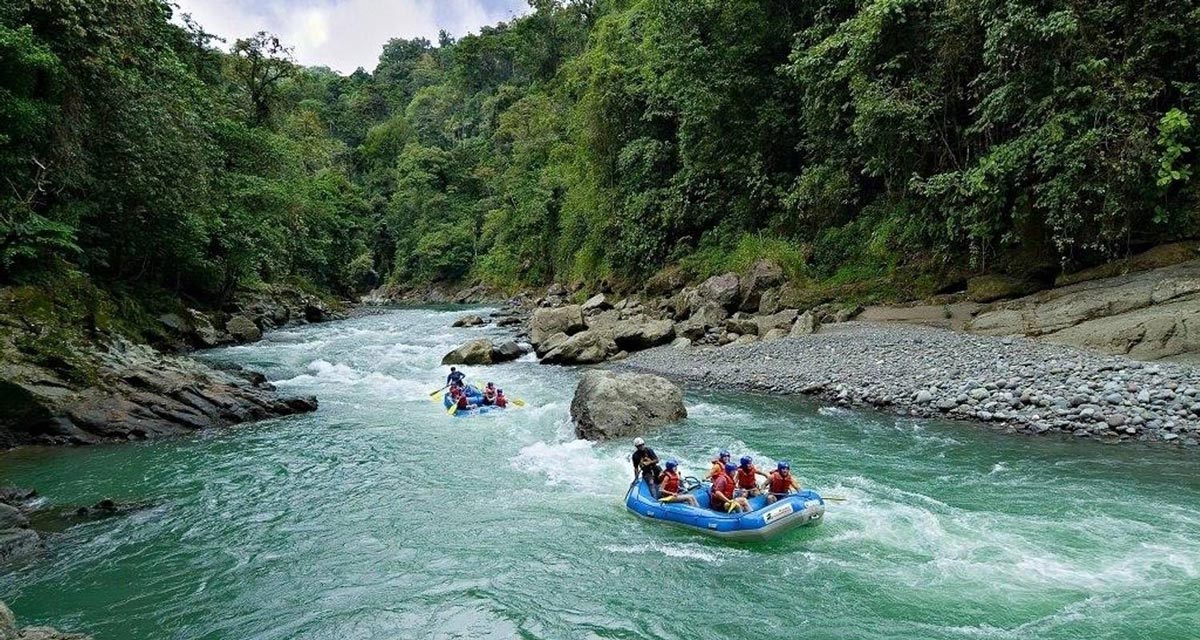
From the slopes of Tenorio flows the Río Celeste, or “Blue River.” A forest trail along the riverbank leads to Los Teñideros, where a natural geochemical reaction turns the water a striking turquoise. You'll also admire the Río Celeste Waterfall, plunging 20 metres into a lush canyon.
In the afternoon, we continue north along the Pan-American Highway, heading toward the base of Rincón de la Vieja Volcano.
Day 9: Rincón de la Vieja and Miravalles volcanoes
In the morning, we take a hike through the “Las Pailas” sector. Here, at the foot of the volcanic cones Rincón de la Vieja, Santa María, and Von Seebach, we can observe numerous volcanic phenomena such as fumaroles and bubbling mud pools that smell of sulfur. This national park boasts a remarkable variety of species, including strangler figs, bromeliads, howler monkeys, spider monkeys, capuchin monkeys, anteaters, coatis, wild cats, and many tropical birds.
After the visit, we continue on to Las Hornillas at the neighboring Miravalles Volcano. On an extensive hacienda lies a side crater of Miravalles Volcano—the only volcanic crater in Costa Rica that is accessible and walkable.
Here, there are hot and cold-water pools, volcanic mud, a sauna, and a trail for observing volcanic activity.
Nearby lies the Miravalles geothermal project, which harnesses the Earth's heat to generate environmentally friendly electric power.
Day 10: Lake Nicaragua
We begin our journey along the Pan-American Highway, heading toward the Costa Rica–Nicaragua border. The Costa Rican departure tax is included; passport details are required at the time of booking. Entry fees to Nicaragua (approximately US $14) must be paid in cash on site and are not included. After crossing on foot from the Costa Rican customs station to the Nicaraguan side, you'll be welcomed by a guide from our partner organization.
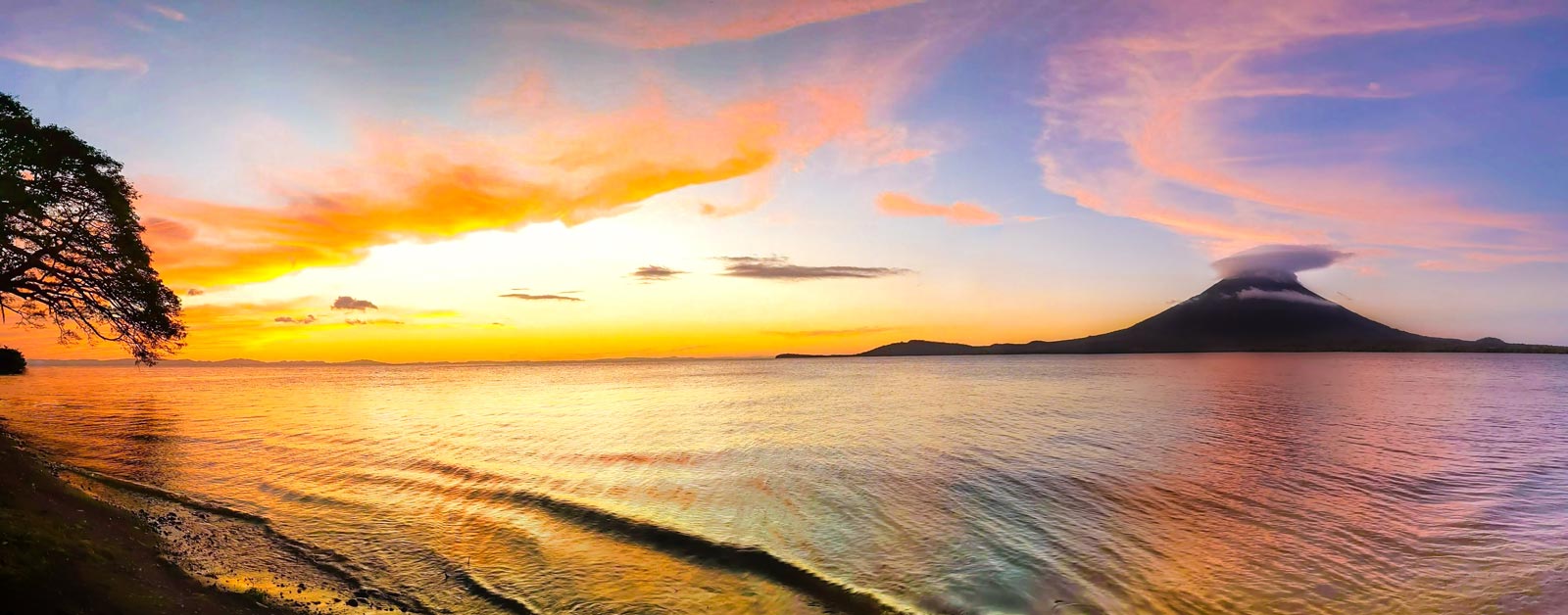
Just beyond the border, enjoy a spectacular view of Lake Nicaragua – or Cocibolca -, from which the majestic Ometepe Island rises, crowned by two volcanoes.
The colonial city of Granada, founded by the Spanish in 1524, is considered the first preserved colonial city on the American mainland. It lies on the shores of Lake Nicaragua. Here, you'll enjoy a guided city stroll with visits to the cathedral, the San Francisco Convent, and the international cultural center Casa de los Tres Mundos—made famous in German-speaking countries by Dietmar Schönherr. The foundation was established in 1989 by Austrian actor and author Dietmar Schönherr and Nicaraguan poet, priest, and politician Ernesto Cardenal.
In the late afternoon, you'll take a boat tour. Off the coast of Granada lies an archipelago of 365 islands, the Isletas. Experts explain that around 20,000 years ago, a massive eruption of the Mombacho Volcano hurled huge boulders into Lake Nicaragua, forming today's island landscape. Some islands host weekend homes, others are uninhabited, and some are home to small fishing villages. The local specialty is Guapote, a bass freshly caught from the lake.
Day 11: Colonial city of León - Momotombo volcano
You'll ascend to the 1,345-meter-high Mombacho Volcano, where you'll take a hike to the double crater, offering magnificent views of the city of Granada and Lake Nicaragua. The road climbs up to an altitude of 1,200 meters. At the top, you'll find one of Nicaragua's last remaining cloud forests.
Continuing your journey, you'll pass through the “White Villages”, renowned for their rich folklore and artisanal crafts. Here, you'll visit a local artisan workshop and enjoy the panoramic view from the village of Catarina overlooking the round lake Laguna de Apoyo, nestled in the former crater of an extinct volcano.
On the way to León, you'll stop at a viewpoint to admire the imposing volcanoes Momotombo and Momotombito across Lake Managua.
The journey continues to the historic colonial city of León, rebuilt starting in 1610 after the original settlement was destroyed by an earthquake caused by the Momotombo Volcano. The city of León is surrounded by several volcanoes.
Day 12: Cerro Negro volcano
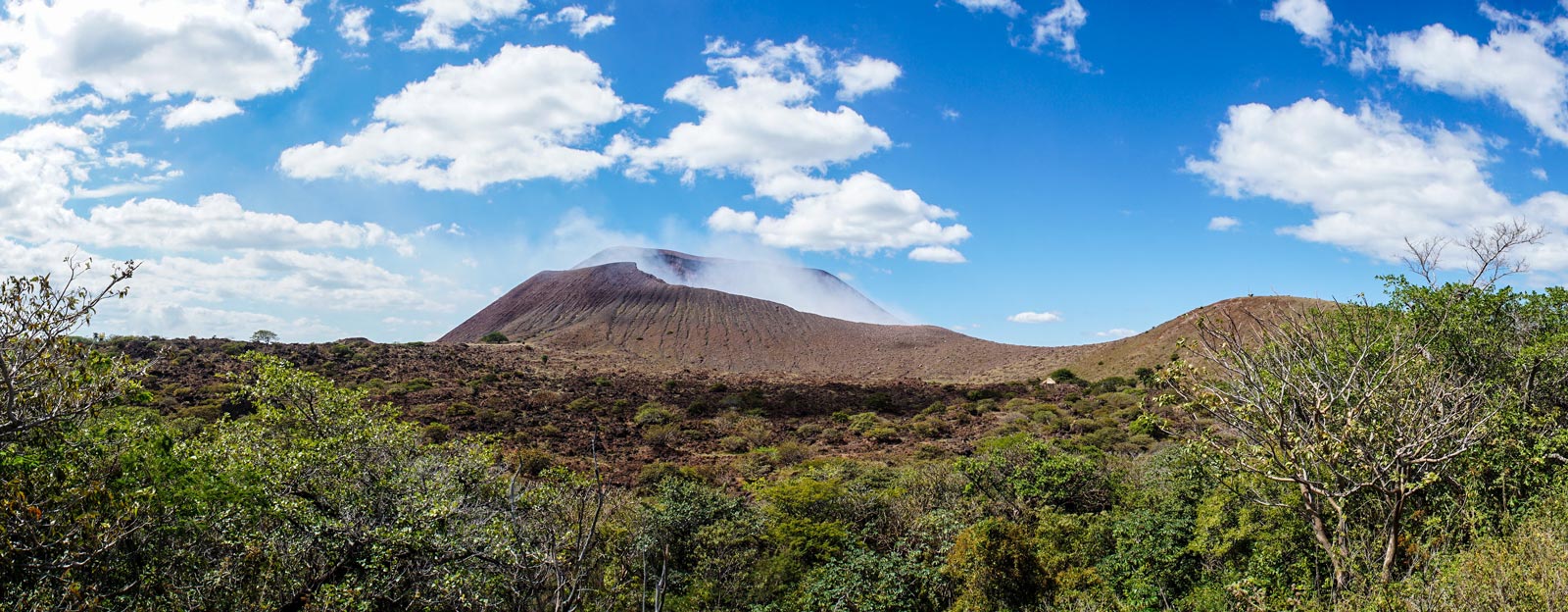
n the morning, we head to Cerro Negro Volcano, located just 25 km from the city of León. It is the youngest volcano in Central America and one of the most active in Nicaragua. Rising to about 728 meters above sea level, its cone of ash and black sand creates a unique and striking landscape. We ascend from the base of the volcano along a well-maintained trail through volcanic rock (approx. 1 hour; good physical condition required). From the summit, you'll enjoy a stunning view of the crater and the ash desert stretching to the horizon. A circular path leads to the crater's edge, where you can observe highly active fumaroles. For the adventurous, there's the option to experience sandboarding down the slope.
Afterwards, enjoy lunch with a local family.
Upon returning to León, you'll take a guided tour through the historic center of this colonial city.
León preserves an impressive religious heritage, with around a dozen churches. The grand cathedral is considered the largest in Central America and was built between 1747 and 1860.
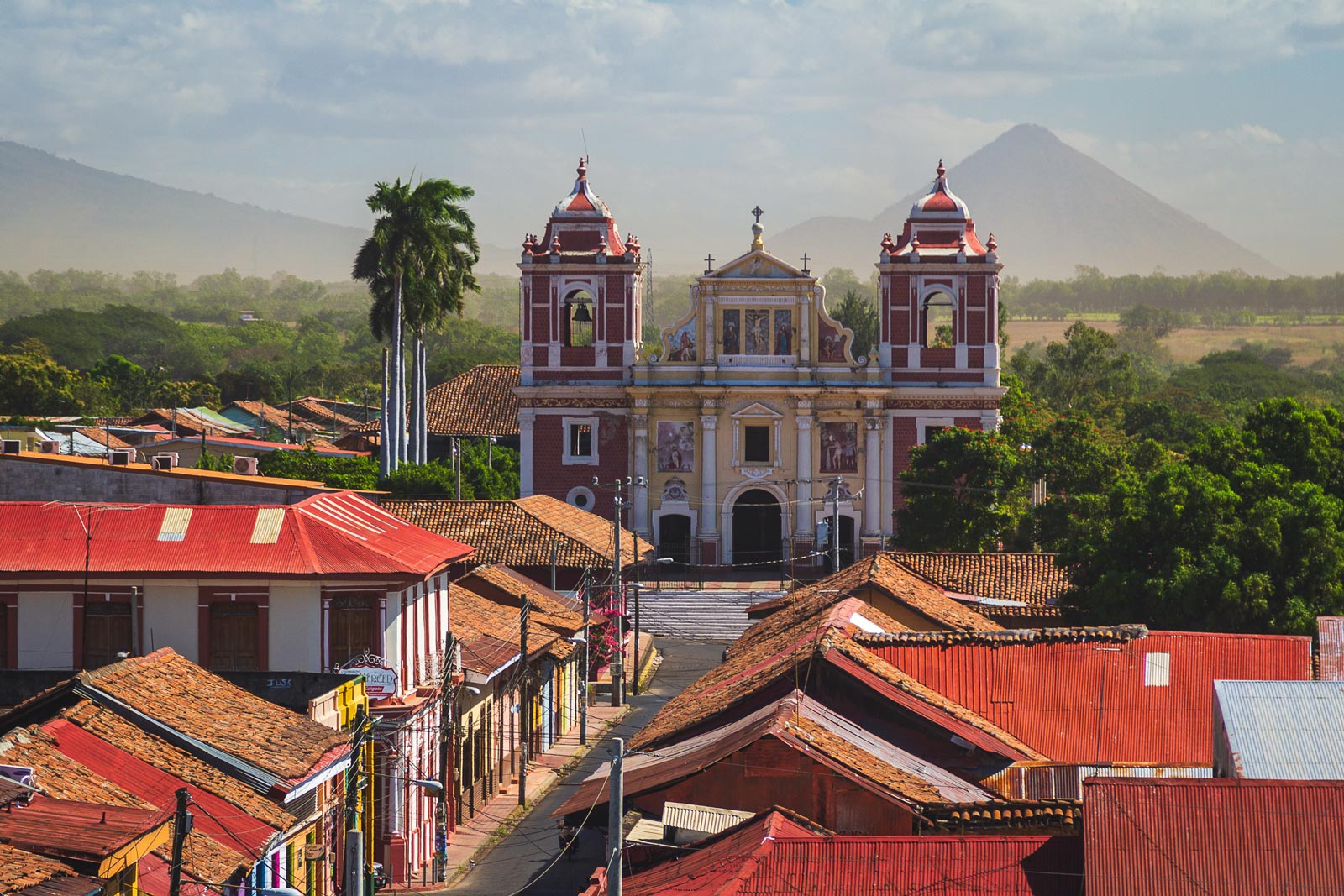
The Church of El Calvario, with its colorful neoclassical façade, stands on a hill in the city center. It was built in the first half of the 18th century at the end of Calle Real, the “Royal Street.” From the church, you reach a baroque-style square and, just opposite, a magnificent colonial-style complex.
Day 13: Masaya volcano
After breakfast, we head south again, passing the capital city of Managua en route to Masaya Volcano National Park. At the visitor center, you'll learn about the volcano's geology and history. If the crater is accessible, we'll visit it; if not, we'll go to a viewpoint. This will be determined by the Nicaraguan Institute for Territorial Studies (INETER) according to the volcano's activity level.
After visiting the famous Masaya handicrafts market, we continue to the port of San Jorge de Rivas, where the public ferry departs for the island.
Ometepe is an island in Lake Cocibolca—also known as Lake Nicaragua—the largest lake in Central America and the tenth largest in the world. The island consists of two halves connected by a narrow isthmus, each dominated by a volcano: Maderas in the south and Concepción in the north, which rises to 1,610 meters and is the second-highest volcano in the country. Ometepe has been designated a UNESCO Biosphere Reserve.
A local curiosity is “Charco Verde,” a small lake on the island. Due to dense vegetation and algae, its waters shimmer with a greenish hue. The Charco Verde Nature Reserve spans 20 hectares of tropical dry forest, home to numerous birds and monkeys. Here, you'll take a short hike before continuing to your accommodation for the night.
Day 14: Ometepe Island
The indigenous peoples of Nicaragua lived on the island as early as 3,000 years before the Spanish conquest, leaving behind a rich legacy of ceramics, stone sculptures, and petroglyphs.
We'll visit Finca El Porvenir, located at the foot of Maderas Volcano, as well as a museum showcasing pre-Columbian archaeological finds.
In the afternoon, there's an optional visit to the Ojo de Agua Nature Reserve, featuring two mineral water pools fed by volcanic springs. Here, you can swim and relax. Entrance fee is approximately US $10, payable on site.
Day 15: Return to Costa Rica - Playa Hermosa beach
After breakfast, we return to the small town of Moyogalpa, the ferry port of Ometepe.
Back on the mainland, the journey continues toward the border.
From San Jorge, you return to Costa Rica. Your tour guide bids you farewell.
Exit fees from Nicaragua, approximately US $5, must be paid in cash at the border and are not included.
On the Costa Rican side, your bus will be waiting to take you to your beach hotel.
En route, we'll stop for a coffee break in Liberia, the capital of Guanacaste Province. Known as the “White City,” it earned its name from the use of lime in the construction of houses and streets in the past. Calle Real is famous for its charming cafés and restaurants.
The journey continues (without a guide) through the so-called “Pampa” of Guanacaste to Playa Hermosa on the Pacific coast.
Day 16: Beach and relax day
Enjoy a day at leisure to relax and explore at your own pace.
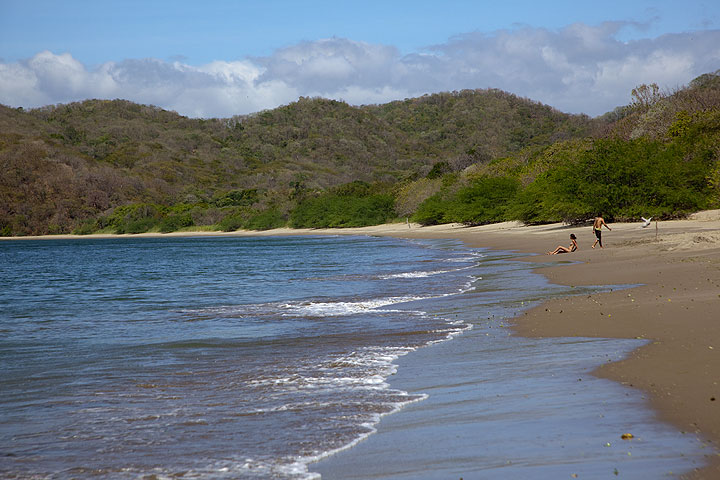
The coastline of Guanacaste is known for its highly irregular shape, with rocky headlands and promontories stretching into the Pacific Ocean. Nestled between these formations are countless small and large bays, each offering its own charm.
One of the highlights is the long, tranquil beach of Playa Hermosa, with soft sand and gentle waters. The bay is naturally sheltered and framed by lush trees and swaying palms, creating a serene tropical setting.
In the town of Hermosa, you'll find a variety of restaurants, shops, and tour operators, making it easy to enjoy local cuisine, pick up souvenirs, or book optional excursions.
Day 17: Transfer to San José International Airport, end of tour
Transfer to San José International Airport (without guide). About 5 to 6 hours driving time. Your flight should start in the late afternoon.